Influence of the EU-Mercosur Agreement on the Romanian Economy
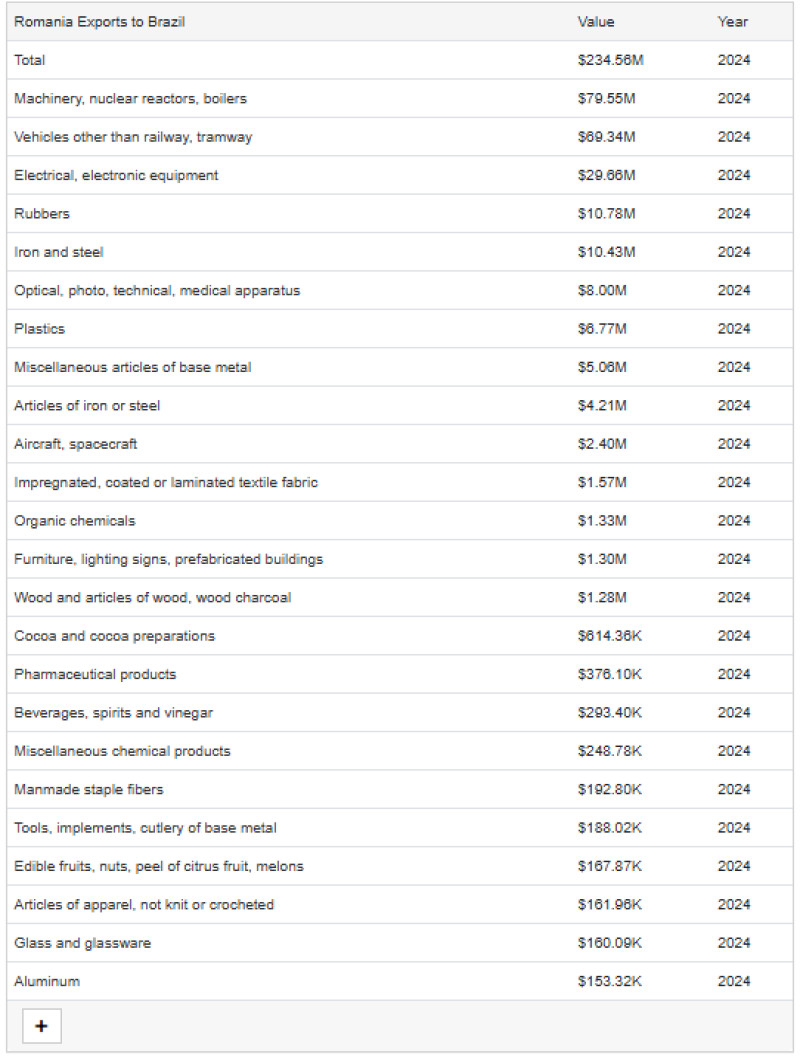
The trade agreement between the European Union and Mercosur signifies a major shift for Romania’s economy, potentially impacting various economic sectors. By opening up South American markets, Romanian companies could gain improved access to resources and raw materials, as well as export opportunities for domestic products. Additionally, the reduction of customs tariffs and other trade barriers might enhance the competitiveness of Romanian products in international markets, thereby increasing export volumes.
Conversely, closer integration with the Mercosur economies may also present challenges, particularly regarding competition with South American producers, who could offer products at lower costs. This dynamic might particularly affect Romania’s agricultural and industrial sectors, putting pressure on local companies to enhance their efficiency and product quality to remain competitive.
Moreover, the agreement could encourage foreign direct investments in Romania, providing Mercosur investors with a more favorable framework to expand their operations in Eastern Europe. This could result in the creation of new jobs and the transfer of advanced technologies, thus contributing to the country’s economic development. However, the success of this initiative heavily relies on Romania’s ability to implement economic reforms and improve infrastructure to attract and support these investments.
Potential Risks for Key Sectors in Romania
The EU-Mercosur agreement brings several risks for key economic sectors in Romania, which may be affected by the increased competitiveness of South American products. The agricultural sector, for example, could experience significant pressure from imports of agricultural products at lower prices. Local producers might struggle to compete with the low prices and large volumes of agricultural products that could flood the Romanian market. This competition could lead to falling domestic prices, impacting farmers’ incomes and consequently the sustainability of this sector.
The manufacturing industry in Romania, particularly in textiles and industrial equipment, could also face considerable risks. Producers from Mercosur, benefiting from lower production costs, might offer similar products at more competitive prices, which could reduce the demand for Romanian products in both domestic and international markets. As a result, Romanian companies may need to optimize their production processes and innovate to maintain a competitive advantage.
Additionally, the services sector could be impacted by the entry of South American companies offering services at lower costs. This phenomenon could put pressure on Romanian companies to enhance their service quality and lower prices to retain customers. Increased competition might also lead to market consolidation, where only the most efficient and innovative companies could survive.
Another significant risk pertains to regulations and quality standards. Products and services imported from Mercosur may not always adhere to the same stringent quality standards.
Opportunities for Economic Growth and Trade Cooperation
The EU-Mercosur agreement opens new horizons for Romania’s economic growth, presenting significant opportunities for trade expansion and international cooperation. Firstly, Romanian companies in sectors such as agriculture, food industry, and machinery production could benefit from expanded access to South American markets, where demand for European products is rising. This market expansion could lead to increased exports and, consequently, a more robust economic development.
Additionally, the agreement creates a favorable framework for partnerships and joint investments between Romanian companies and those from Mercosur. This could facilitate the transfer of technology and know-how, enhancing the competitiveness of Romanian firms. Furthermore, international collaborations could drive innovation in fields such as information technology, sustainable agriculture, and renewable energy, thus contributing to a more modern and sustainable economy.
The opportunities extend beyond trade in goods, affecting the services sector as well. Romania could attract more tourists from Mercosur countries, promoting its tourist destinations and cultural heritage. Moreover, the IT and financial services sector could find new clients and partners in South America, thereby expanding its global presence.
Alongside direct economic benefits, the agreement could contribute to diversifying supply sources, reducing dependence on traditional markets. This could enhance Romania’s long-term economic stability by ensuring a more varied and resilient supply chain.
Ultimately, closer integration into the global economy through the EU-Mercosur agreement could improve Romania’s image as a business partner.
Adaptation and Development Strategies for Romania
In light of the new challenges and opportunities presented by the EU-Mercosur agreement, Romania must develop effective adaptation and development strategies to maximize benefits and minimize associated risks. A primary step would be investing in modernizing infrastructure, both in transportation and information technology sectors. A robust infrastructure would facilitate trade exchanges and attract foreign investments, strengthening Romania’s position as a regional logistics hub.
Furthermore, it is crucial to intensify innovation and research efforts, especially in sectors vulnerable to international competition, such as agriculture and manufacturing. Supporting research and development could lead to the creation of high value-added products that are competitive in international markets. Funding programs and public-private partnerships could assist Romanian companies in adopting advanced technologies and enhancing the efficiency of production processes.
Education and vocational training represent another essential pillar for adapting to new market conditions. Investments in technical education and digital skills development could prepare Romania’s workforce to meet the demands of a continually changing economic environment. Collaboration with universities and research institutions from Mercosur countries could yield considerable benefits through knowledge exchange and best practices.
Additionally, Romania should strengthen its diplomatic and trade relations with Mercosur countries, promoting its economic interests and supporting Romanian exporters in accessing new markets. Organizing economic missions and participating in international fairs could facilitate direct contacts between Romanian companies and South American partners, paving the way for new partnerships and collaborations.
Sursa articol / foto: https://news.google.com/home?hl=ro&gl=RO&ceid=RO%3Aro