Influence of Trump’s Statements on International Relations
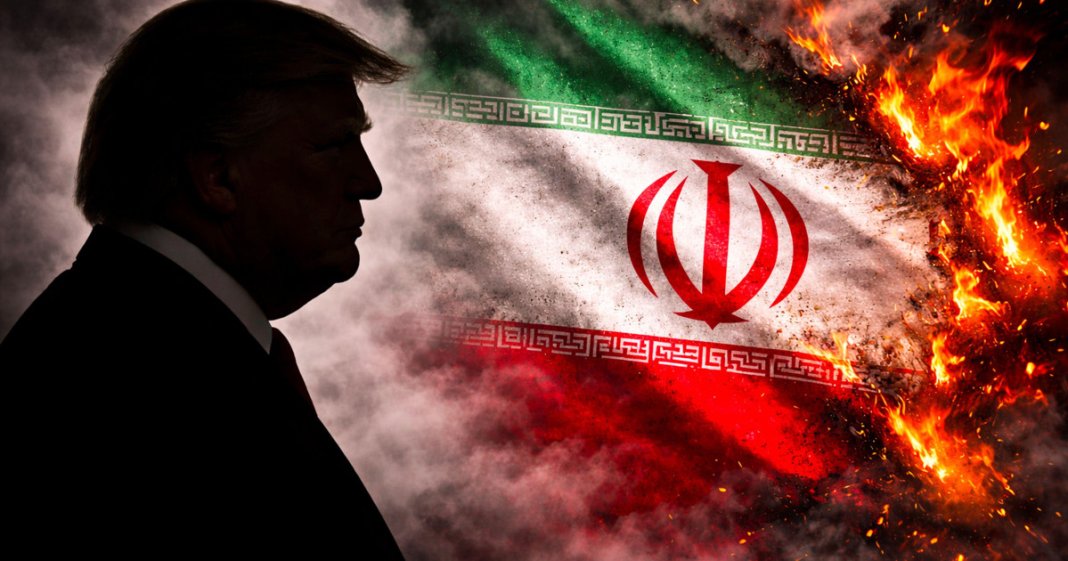
Statements made by President Trump concerning the destruction of Iran’s navy and armed forces have provoked strong reactions on the international stage. These remarks have been seen as an escalation of tensions between the United States and Iran, raising concerns about regional stability and potential implications for global peace. Numerous international leaders have voiced their apprehension regarding the American president’s aggressive rhetoric, believing that such statements may deteriorate diplomatic relations and complicate efforts to mediate conflicts in the Middle East.
Furthermore, these declarations have impacted international alliances, exerting pressure on the U.S. strategic partners to clarify their positions regarding the conflict in Iran. Within international organizations, such as the UN, calls have been made for calm and dialogue to avert the escalation of the situation into an open conflict. Meanwhile, some political analysts assert that President Trump’s statements might negatively affect global perceptions regarding the United States’ commitment to resolving international disputes peacefully.
International Reactions to the President’s Statements
The assertions made by President Trump have elicited a variety of international reactions, often contradictory. Within the European Union, officials have emphasized the necessity of maintaining dialogue and avoiding any actions that might lead to the intensification of the conflict. European diplomats have expressed concern that such statements could undermine negotiation and peace efforts in the region, while reaffirming the EU’s commitment to peacefully resolving tensions.
In the Middle East, reactions have been varied as well; Gulf countries allied with the U.S. have shown cautious support while expressing their desire to prevent an open conflict in the region. Conversely, Iran has firmly condemned the American president’s statements, deeming them provocative and dangerous, and has warned of possible retaliation in the event of aggression.
Russia and China, two global powers with strategic interests in the Middle East, reacted with calls for restraint and dialogue. Moscow highlighted the need to respect the sovereignty of nations and to avoid unilateral actions that might further destabilize the region. Beijing, for its part, stressed the importance of finding diplomatic solutions and avoiding military confrontations.
At the same time, international organizations like the United Nations reiterated calls for calm and dialogue, urging all parties involved to refrain from actions that could exacerbate the situation. The UN Secretary-General emphasized the importance of adhering to international law and seeking peaceful solutions to regional conflicts.
Analysis of the Military Situation in Iran
Following the latest declarations and military actions, the situation in Iran remains extremely tense, with a high potential for escalation. Iran has mobilized its military resources in preparation for potential confrontations while continuing to bolster its regional alliances. The military capacity of Iran, though affected by international sanctions, remains significant, with a diversified arsenal and a robust defensive infrastructure.
Iranian armed forces have been ordered to be on maximum alert, and military drills have been intensified to showcase the country’s defensive capabilities. Simultaneously, Iran has continued to develop and test ballistic missile technologies, asserting that these are exclusively for national defense. The Iranian naval fleet has been strategically deployed in the Persian Gulf with the aim of protecting territorial waters and ensuring maritime route security.
Strategically, Iran has adopted a stance of resistance, preparing for asymmetric defense in the event of external military intervention. This strategy involves the use of unconventional tactics and guerrilla warfare, leveraging knowledge of the terrain and local support. Additionally, Iran has reinforced its positions in Syria and Iraq, maintaining a significant military presence through allied militias, which could further complicate the military landscape in case of escalation.
In conclusion, the analysis of the military situation in Iran indicates a state ready to defend its national interests at any cost, while continuing to navigate through a complex and unstable geopolitical environment. International diplomatic efforts are essential to prevent an open conflict and to find peaceful solutions to the current tensions.
Political Consequences of the Conflict in the Middle East
The conflict in the Middle East has generated a series of significant political consequences, having a major impact on the stability and geopolitical dynamics of the region. Increased tensions have led to heightened polarization among the various states involved, each seeking to protect its national interests and strengthen its strategic position. Against the backdrop of these developments, regional and international alliances have been tested, with some even being reevaluated.
In many instances, governments in the region have been compelled to adjust their foreign policies to address new realities and to avoid direct involvement in the conflict. Additionally, internal pressures on political leaders have mounted, with populations often divided regarding support for government actions. These pressures have been exacerbated by economic and social crises resulting from ongoing instability and international sanctions.
At the international level, the conflict in the Middle East has complicated relationships among major powers, each having its own interests in the region. The United States, Russia, and China, among others, have adjusted their strategies to navigate the complexity of the situation, and diplomatic efforts have intensified to prevent further escalation. However, geopolitical rivalries and economic interests have made peaceful resolution challenging to achieve.
In conclusion, the political consequences of the conflict have been felt not only in the Middle East but also globally, causing a series of diplomatic and strategic challenges. While some states have sought to mediate and find peaceful solutions, others have viewed this conflict as an opportunity to expand their influence and reaffirm their power on the international stage. These dynamics have contributed to a
Sursa articol / foto: https://news.google.com/home?hl=ro&gl=RO&ceid=RO%3Aro