Motivations behind the financial crisis at Metrorex
Metrorex, the operator of the subway network in Bucharest, is facing a severe financial crisis due to several factors that have accumulated over the years. A primary issue is the chronic underfunding from authorities, which has failed to meet the maintenance and modernization needs of the infrastructure. In recent years, budget allocations have been inadequate, leading to the deterioration of equipment and increased operating costs.
Additionally, Metrorex has seen a decline in the number of passengers, partially as a result of the COVID-19 pandemic, which significantly reduced passenger flow and consequently, ticket sales revenue. This drop in ridership has been exacerbated by heightened competition from other modes of transportation, such as ride-sharing services and surface public transport.
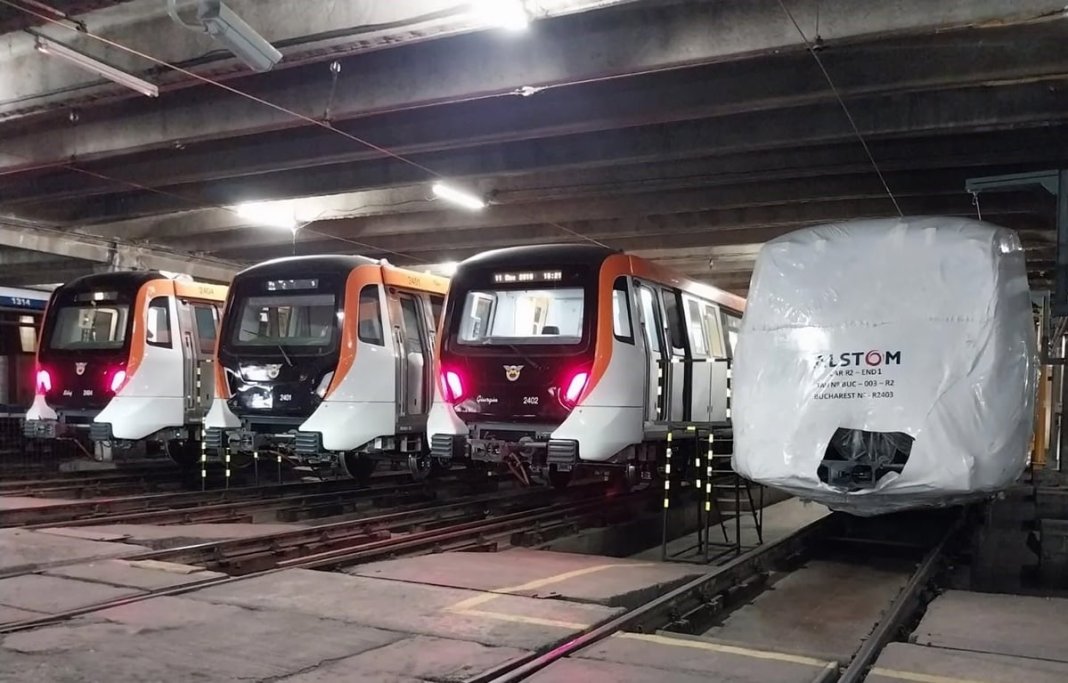
Another significant factor contributing to the financial crisis is the costly and often inefficient contracts signed over time. These have increased Metrorex’s debts, further affecting the company’s ability to manage its financial resources effectively. The contract with Alstom, valued at 103 million euros, is a notable example in this regard, adding further pressure to Metrorex’s limited budget.
Details of the contract with Alstom
The contract with Alstom, signed a few years ago, was initiated to modernize and maintain the subway trains, thereby ensuring an optimal level of safety and efficiency for passengers. The total value of the contract amounts to 103 million euros, a substantial sum that has drawn attention from both authorities and the public. Under this agreement, Alstom committed to providing maintenance services for the fleet of trains, including periodic inspections, repairs, and parts replacements, as well as necessary technological upgrades to meet European operating standards.
However, the implementation of the contract has been marked by numerous controversies and delays. A critical point has been related to additional costs that arose during the execution of the contract, often justified by the need for unforeseen work or rising prices for necessary materials. These extra expenditures have placed further strain on Metrorex’s already limited budget, contributing to the company’s worsening financial situation.
Moreover, disagreements over the interpretation of certain contractual clauses between Metrorex and Alstom have led to legal disputes that delayed the implementation of essential stages of the contract. These misunderstandings have often been mediated through arbitration or direct negotiations, but they resulted in significant delays and additional costs for both parties. Furthermore, the lack of transparency in managing the contract has raised questions about the efficiency and fairness of the procurement and implementation processes.
Amid these challenges, the contract with Alstom has become a symbol of the structural problems facing Metrorex, highlighting the urgent need for reform and additional
Economic impact on metro services
The economic impact on metro services has been profoundly felt, reflecting in the quality and frequency of transport provided by Metrorex. The decline in ticket sales revenue, combined with rising operational costs, has forced the company to take drastic measures to maintain its operations. One such measure has been reducing the number of trains in circulation, which has led to increased waiting times for passengers and overcrowding during peak hours.
Additionally, the lack of sufficient funds has also affected Metrorex’s ability to carry out essential maintenance and repair work. As a result, the infrastructure has begun to deteriorate, increasing the risk of breakdowns and failures that could lead to unexpected service interruptions. These issues have generated dissatisfaction among travelers who face frequent delays and less comfortable transport conditions.
Beyond the immediate impact on services, the financial crisis has also affected expansion and modernization plans for the subway network. New projects, crucial for meeting the growing demand for public transport in a continuously expanding city, have been postponed or even canceled due to lack of financial resources. This stagnation in infrastructure development threatens Metrorex’s ability to maintain effective public transport in the long term, negatively affecting urban mobility and the economic development of the capital.
In conclusion, the economic impact of the financial crisis on metro services is deep and complex, necessitating an urgent reassessment of funding and management strategies to ensure the long-term sustainability of Metrorex and to enhance the travelers’ experience.
Solutions and perspectives for recovery
To overcome the financial crisis and ensure the long-term viability of Metrorex, comprehensive and well-planned solutions are necessary. First and foremost, it is essential to review the financing model, which should include not only increased budget allocations from authorities but also diversification of revenue sources. This could involve exploring public-private partnerships for infrastructure and service development, as well as implementing real estate development projects around metro stations to generate additional income.
Additionally, optimizing operational costs is crucial. Metrorex should conduct a detailed audit of expenses to identify and eliminate waste. Digitalization and automation of operating and maintenance processes could contribute to reducing costs and increasing efficiency. Furthermore, renegotiating existing contracts, including the one with Alstom, to obtain more favorable conditions and avoid unforeseen additional costs is a necessary step.
Another important aspect is improving management and corporate governance. Implementing modern and transparent leadership practices, along with better strategic planning, can help avert financial problems in the future. Involving international experts in consultancy and evaluation processes can bring fresh perspectives and innovative solutions.
In the long run, infrastructure development must remain a priority. Investments in expanding the subway network and modernizing equipment are essential to meet the increasing demands of a growing urban population. Accessing European funds for sustainable urban mobility projects could provide the necessary resources for these investments.
Last but not least,
Sursa articol / foto: https://news.google.com/home?hl=ro&gl=RO&ceid=RO%3Aro