Investigations into Wealth
In recent decades, investigations into the wealth of the Kremlin leader have been the subject of intense scrutiny by investigative journalists and international organizations. These inquiries have uncovered a complex maze of properties, bank accounts, and investments, often concealed through a network of offshore companies and intermediaries. Many of these assets are speculated to be indirectly owned by Vladimir Putin, although direct connections are often challenging to prove due to a lack of transparency and legal barriers.
Leaked documents, such as the Panama Papers and Pandora Papers, have provided a rare glimpse into how the Russian elite, including those close to Putin, manage their wealth. These documents revealed financial transactions and complex corporate structures used to hide the true ownership of valuable assets, such as luxury villas, yachts, and foreign bank accounts.
Authorities in various countries have attempted to investigate and trace these assets, but often face legal and diplomatic complications. Despite these obstacles, efforts to uncover and understand the magnitude of the wealth associated with the Kremlin leader and his inner circle continue to be a priority for law enforcement agencies and organizations fighting corruption globally.
Kremlin Connections
The relationships between the Kremlin and various economic and political entities are complex and often opaque. Analyzing the power structure in Russia, it becomes evident that the ties between the state and business are closely interconnected, with a strong emphasis on loyalty to Vladimir Putin’s regime. The mechanisms through which these connections are maintained include appointing trusted individuals to key positions and using state resources to support Kremlin-friendly enterprises.
In this context, many Russian oligarchs have built their fortunes through access to the country’s natural resources and privileged relationships with political leaders. This system, often described as patronage-based, not only ensures the personal prosperity of those involved but also the regime’s stability by maintaining a loyal economic elite. Additionally, the Kremlin leverages economic influence to extend its geopolitical reach, investing in strategic projects and infrastructure in key countries.
Another aspect of the Kremlin’s connections is the use of state-owned companies and sovereign funds to promote Russia’s political agenda on the international stage. These entities, although seemingly commercial, often serve as tools of foreign policy, funding projects that support Moscow’s strategic interests. Thus, the boundary between economic and political interests becomes increasingly blurred.
In conclusion, the Kremlin’s ties to economic and political networks are not just a feature of the internal system, but also a mechanism through which Russia projects its power globally, thus consolidating its influence and control over vital economic sectors.
The Role of Foundations
Foundations play a crucial role in managing the financial resources and political influence associated with Kremlin leaders. These entities are often used to obscure the true beneficiaries of funds and to direct resources to projects that support the regime’s interests. Through foundations, philanthropic activities can be conducted that enhance the public image of leaders and serve as cover for complex financial transfers.
Foundations are typically established under the pretext of supporting social or cultural causes, but in many cases, they function as vehicles to channel funds to individuals or entities close to the Kremlin. These structures allow for the accumulation and management of significant resources that would otherwise be difficult to justify through traditional income sources. Through smart management of these funds, political leaders can extend their influence and maintain the loyalty of economic and political elites.
Moreover, foundations can serve as instruments of soft power, allowing the regime to expand its cultural and diplomatic influence beyond national borders. By sponsoring cultural, educational, or humanitarian events, these entities contribute to creating a positive image of Russia on the international stage, while less transparent activities unfold in the background.
The use of foundations to conceal financial flows is a well-known tactic that is difficult to counteract due to their seemingly benign nature and the legal complexity involved. Despite these challenges, efforts to reveal the true function of these entities continue, being essential for fully understanding the mechanisms of power and influence of the Kremlin.
Controversies and Speculations
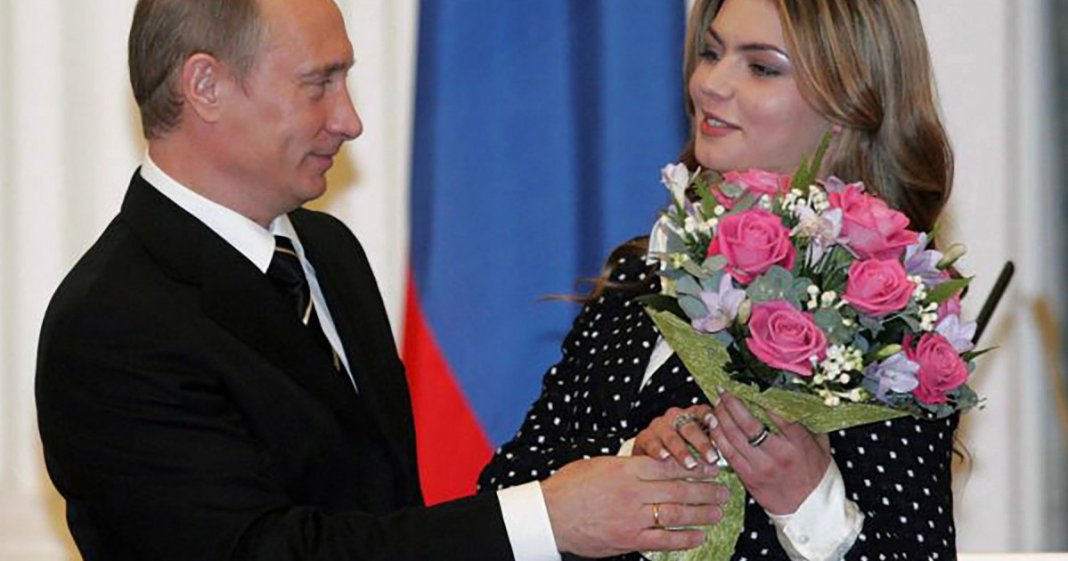
Surrounding the wealth and influence of the Kremlin leader are numerous controversies and speculations that fuel public debates and investigative media around the world. One of the most persistent controversies concerns the alleged relationship between Vladimir Putin and former Olympic gymnast Alina Kabaeva. Over the years, international media have speculated that Kabaeva may be involved in a personal relationship with Putin and that she indirectly benefits from his political influence. Although the Kremlin has repeatedly denied these rumors, they continue to stoke speculation regarding the Russian leader’s personal life and how it might affect political decisions.
Another controversial topic relates to the opacity of the financial structures associated with the Kremlin regime. Critics argue that the lack of transparency and tight control over the media make it difficult to verify information regarding the wealth of Russian leaders. This opacity fuels conspiracy theories suggesting the existence of hidden financial networks supporting the personal interests of those in power. Despite efforts to clarify these issues, many questions remain unanswered, and speculation continues to spread.
Additionally, the economic and political relationships between Russia and other states are often the subject of intense speculation. Russia’s involvement in international conflicts and the use of energy resources as a geopolitical lever are seen by some analysts as part of a deliberate strategy to expand Moscow’s influence. In this context, any major transaction or change in Russia’s foreign policy is closely monitored and often interpreted as part of broader plans aimed at strengthening the Kremlin’s position on the global stage.
Controversies and speculations are not limited to
Sursa articol / foto: https://news.google.com/home?hl=ro&gl=RO&ceid=RO%3Aro